
One Month until World Civet Day 2026!


Organisations around the world are gearing up for the third ever annual day of global civet celebration! The 4th April 2026 is the third ever World Civet Day, a global day of civet celebration organised by charity ‘The Civet Project Foundation’. But who are civets, and why are they making such a noise in the conservation space of late?

Who are civets?
Civets are ancient small carnivores, belonging to the family Viverridae - which include civets, genets, oyans and linsang. There are approximately 36 extant species of Viverrid across the globe, with some pretty iconic species such as the Binturong (Arctictis binturong), Common Palm Civet (Paradoxurus hermaphroditus) and African Civet (Civettictis civetta) to name a few. Civet species are generally nocturnal, living terrestrial, semi-arboreal or arboreal lifestyles, with the exception of the Otter Civet (Cynogale bennettii), which is believed to be semi-aquatic.
These lesser-known animals face a variety of threats, including habitat destruction, climate
change, and poaching for meat, the pet trade, and as producers of civet coffee, the world’s most
famous coffee produced from civet faeces.
Curious and surprisingly charismatic, civets have been largely overlooked by conservation science …until now!
Established in 2023, The Civet Project Foundation is already the leading voice for Viverrids, raising the profile of civet species to safeguard their welfare and conservation, and by extension, this also helps protect the well-being of people and the planet.
Civets are key ecosystem-engineers, meaning they are a vital part of wider ecosystem functioning and maintenance. Whilst contributing to animal biodiversity, civets are also key seed
dispersers for many plants in their habitats, meaning they also function as maintainers of plant
biodiversity. Without civets, many of their habitats would begin to degrade, so the work of The
Civet Project Foundation is essential to protect these species, their habitats and human health.
Alongside fantastic partners, including EAZA members Drusilla’s Park Zoo, Dudley Zoo &
Castle, Drayton Manor and Shaldon Wildlife Trust, The Civet Project has already begun making
change by raising global awareness of civets and the threats that they face, conducting
research to fill species knowledge gaps, and working with leading industry operators and
policymakers to better protect civets from exploitation.

World Civet Day 2025 saw huge growth in participation, celebration and engagement with the
iconic theme of coffee, particularly in European zoos. The day sought to bring awareness to the
threats being faced by civets through the civet coffee industry, whilst celebrating the progress
being made and striving for better protection in the future. With over 27 zoos, 20 countries and
over £2000 raised, World Civet Day 2025 was a huge success, with much of the fundraising
reflecting the year's ‘coffee’ theme, with zoos donating proceeds from their coffee sales to the charity.

World Civet Day 2026
The theme of World Civet Day 2026 is ‘Healthy Civets, Healthy Planet’, which will showcase
the interconnections between the health of humans, ecosystems, and animals. Human -civet
conflict and unregulated civet hunting and trade not only impact animal welfare and
conservation, but it also holds dangerous risks, including zoonotic disease spread and potential
ecosystem collapse.
Conservation in Action!
The funds raised on World Civet Day directly support The Civet Project Foundation's
conservation, education and research efforts. For 2026, this will be directed towards the Civet
One Health program - their flagship project designed to tackle the commercial trade of civets in
Vietnam. Through the Civet One Health program, The Civet Project is working to change policy,
support sustainability, reduce civet product demand, and nurture a future of positive human-
civet coexistence.


How to Take Part:
Taking part in World Civet Day 2026 is easy, fun and engaging for zoo teams and visitors alike. All you need to do is sign up to receive your FREE resources:
● Education pack: Packed with children's games, activities, and fun for all the family!
Printable and easy to use, with key educational messaging for all ages.
● Fundraising pack: Filled with ideas and resources to help you host a community
fundraising event to support The Civet Project’s in situ Civet One Health program.
● Social media pack: Infographics, Images and copy-paste messaging, designed for
ease of sharing the Health Civets: Healthy Planet message in an accessible and
engaging way online
● Documentary pack: Show the 30 minute film ‘Civet Coffee: From Rare to Reckless’ and
get exclusive access to our documentary team who can dial in to your event for
audience questions and answers!
● Zoo cut: Request your free 5 minute child-friendly documentary film edit, perfect for
screening on TV’s integrated into Viverrid zoo exhibits. Simply email:
info@thecivetproject.com to request it.
For more information, visit The Civet Project’s website, and remember-tag The Civet Project in
your World Civet Day social media coverage on 04/04!
Blog Author:
Cerys Deakin, Communications Officer for The Civet Project Foundation
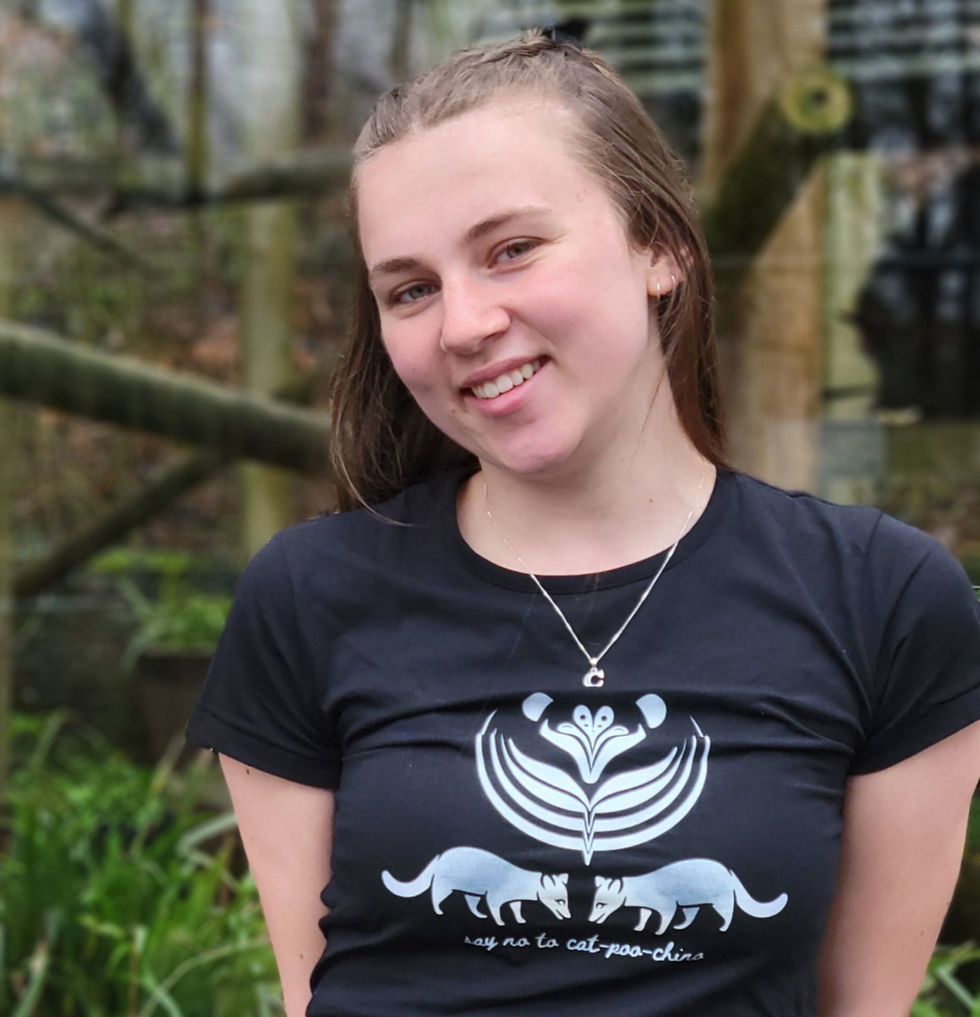
Working across cultures, countries, and conservation issues, Cerys works with supporters, partners and ambassadors to raise awareness of civets and advocate for greater civet protection.


Comments